

Chasing flathead in the shallows can be a heap of fun, especially when you've got the right gear and know where to look. It’s not always about chucking big lures into deep holes; sometimes, the best action happens right at your feet. This article dives into how to make the most of those skinny water flats, looking at everything from finding the fish to picking the best lures, and yeah, we'll touch on the Soft Glide 225 because it's a bit of a game-changer.
Key Takeaways
-
To find flathead on the flats, look for edges of weed beds, rocks, or logs, and keep an eye on deeper channels or ruts where baitfish might be hiding.
-
Softer lure materials, like eel imitations rigged weedless, can be more effective on wary flathead, especially when traditional stick baits stop working.
-
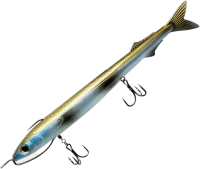
The Soft Glide 225, when matched to the conditions and retrieved with a slow roll or occasional hop, can really get the flathead fired up.
-
Experimenting with double lure rigs or adding scent can help entice bites when fish are being shy.
-
Good polarized sunglasses are a must for spotting structure and bait on the flats, helping you make more accurate casts.
Mastering The Shallow Flats For Flathead
Chasing flathead in the shallows is a ripper way to spend an afternoon, and honestly, it’s where some of the most exciting action happens. You know, when they launch themselves out of the water or go skittering across the surface with your drag screaming? That’s the stuff! These flats can look pretty bare when you first glance over them, but with a good pair of polarised glasses, you can start to pick out the spots where they’re likely hanging out. Keep an eye out for the edges of weed beds, or any bits of structure like rocks or old logs. These are prime real estate for bait, and where there’s bait, there’s usually a flathead lurking.
Identifying Prime Flathead Haunts
When you’re walking the flats, think about where the food is going to be. Drains are a classic example – all the water running off the flat heads into these channels, and the flathead know it. They just sit there waiting for dinner to come to them. You’ll often find them right at your feet in these spots. Another good bet is looking for slightly deeper sections, like little gutters or channels in the sand. Even a small dip can be a hiding place. The key is to look for where the baitfish are congregating.
-
Edges of weed beds
-
Around rocks and submerged logs
-
Drains and channels
-
Slightly deeper pockets in the sand
Strategic Casting And Retrieve Techniques
When you’re fishing from the bank, try to get as close as you can without spooking anything. Cast your lure upstream of where you think the fish might be, and let the current do some of the work. Let your lure bump along the bottom – a bit of a hop and a skip retrieve often works a treat. After that first cast, fan out your other casts to cover as much ground as possible in that one spot before you move on. If you’re convinced there should be a barra burner or two in the area but you’re not getting any bites, try adding some scent or changing up your lure colour.
Reading The Water For Hidden Structure
This is where those polarised lenses really earn their keep. They cut through the glare and let you see what’s going on beneath the surface. You’re looking for subtle changes in the bottom contour, weed patches, or any submerged objects that could provide cover for a flathead. Even a slight change in depth can be a hotspot. Remember, these fish are ambush predators, so they love a bit of structure to hide behind. Finding these spots makes all the difference.
Don't underestimate the power of skinny water. Flathead, especially the bigger ones, are perfectly happy sitting in less than 10cm of water. This means you can work a lot more of the water column than you might think, just by being able to cast into these shallow areas.
Innovative Lure Choices For Skittish Flathead
Sometimes, flathead can be a bit fussy, especially in shallow water where they get a good look at everything. It’s not always about chucking the biggest lure you’ve got; often, it’s the subtle things that make the difference. We've been playing around with a few different bits and pieces from My Lure Box flathead baits, and some have really stood out when the fish are being a bit shy.
Beyond The Stick Bait: New Presentations
We all know the trusty stick bait works, but sometimes you need to mix it up. Think about what the baitfish are doing. Are they darting, or are they more of a slow roller? For those times when the flathead are a bit hesitant, we’ve found that lures with a bit more subtle action can be the go. A good example is the SG160 swimbait. It’s not a massive lure, but it has a really natural tail kick that can fool even the wariest fish. It’s about presenting something that looks like an easy meal, not a challenge.
-
Consider the forage: What are the local baitfish doing? Try to match that movement.
-
Subtle action: Sometimes less is more. A gentle wobble can be more enticing than frantic action.
-
Presentation is key: Cast past the likely spot and let the current or your retrieve bring the lure into the strike zone.
The Effectiveness Of Eel Imitations
Eels are a natural food source for a lot of predatory fish, including flathead, and sometimes mimicking them can be a game-changer. The way an eel moves is quite unique – a sort of slithering, undulating motion. Replicating this with soft plastics can be incredibly effective. We’ve found that longer, thinner soft plastics, especially those with a bit of a curly tail or a paddle tail that gives a subtle thump, can really get the attention of flathead. It’s a different profile to your standard baitfish imitation, and that novelty can be enough to trigger a bite. These are great for targeting flathead fishing lures australia wide.
Why Softness Matters In Lure Design
This is something we’ve really noticed lately. The softness of a lure can make a massive difference, especially when you’re dealing with fish that have seen a lot of lures. If a flathead grabs a lure and it feels too stiff or unnatural, they’ll often drop it before you even feel the bite. My Lure Box flathead baits often have a really supple feel to them. This means when a flathead inhales the lure, it feels more like natural prey, and they tend to hold on for longer. This gives you a better chance of hooking up. It’s not just about the colour or the shape; the actual texture and flexibility of the plastic play a huge role. This is particularly true when fishing for species like flathead, murray cod, and kingfish, where a natural feel is paramount. We’ve had great success with fishing soft plastics for flathead using these softer options, and it’s definitely something to keep in mind when you’re choosing your next lure. You can find some great options for Australian fishing lures that fit this bill.
When a flathead investigates a lure, it's often a quick 'suck and see' before they commit. If the lure feels wrong, they'll spit it out faster than you can blink. That's why a soft, natural-feeling plastic is so important for getting those solid hook-ups.
Optimising Your Soft Glide 225 Presentation
Getting the most out of your soft plastics, especially something like the Soft Glide 225, is all about the little details. It's not just about chucking it out and winding it back in, though sometimes that works too. We're talking about making that lure dance, making it look like the real deal, and getting those skittish flathead to commit.
Matching The Soft Glide 225 To Conditions
Conditions change, right? So your lure presentation should too. Think about the water clarity. If it's a bit murky, a brighter colour or maybe something with a bit more flash can help the fish find it. On the other hand, in crystal clear water, natural, subtle colours are often the go. Water depth plays a part too. For those super shallow flats, you want a lure that sits up high in the water column, not one that's going to snag on every blade of seagrass. The Soft Glide 225 is pretty good at this, but rigging it right is key.
-
Clear Water: Natural colours (prawn, baitfish imitations), slower retrieves.
-
Murky Water: Brighter colours, maybe a touch of chartreuse, slightly faster retrieves or added action.
-
Shallow Flats: Weedless rig, keep it high in the water.
-
Deeper Channels: Jighead with a bit more weight, allow it to sink closer to the bottom.
Retrieve Strategies For Maximum Action
This is where the magic happens. You've got your Soft Glide 225 rigged, you've cast it out, now what? A steady, slow wind is often a good starting point. It lets that paddle tail do its thing and create a nice wobble. But don't be afraid to mix it up. A couple of short, sharp twitches of the rod tip can make the lure dart erratically, mimicking a fleeing baitfish. Or try a pause and a slow wind, letting it sink slightly before resuming. The key is to watch your line for any subtle taps or sudden movements – that's your flathead telling you they're interested. Sometimes, a lure like the paddle glide 225 can be rigged to give a similar action.
The goal is to make the lure look alive. Think about what a real baitfish or prawn would do if it was trying to escape a predator. It wouldn't just swim in a straight line. It would dart, pause, and change direction.
Hooking Success With The Soft Glide 225
Getting the bite is one thing, but landing the fish is another. With soft plastics, hook-up rates can sometimes be a bit hit and miss. Using the right jighead is pretty important. You want one that keeps the lure swimming true and has a sharp, strong hook. For weedless rigging, make sure the hook point is exposed just enough to ensure a solid connection when a fish strikes. Sometimes, adding a small stinger hook can help, especially if the flathead are just nipping at the tail. But be careful, too many bits and pieces can affect the lure's action. A well-placed hook is far better than a lure that looks too busy. Experimenting with different hook sizes and types can make a big difference, especially when targeting different sizes of flathead. Remember, the Soft Glide 225 is designed to have a natural glide, so don't rip it too hard, let it do the work.
Advanced Rigging And Scent Strategies
Sometimes, even with the best lure choice, you'll find flathead being a bit fussy. That's where tweaking your rig and adding a bit of extra appeal can make all the difference. It’s not just about chucking a lure out there; it’s about presenting it just right.
Experimenting With Double Lure Rigs
Ever feel like one lure just isn't enough? Trying a double lure rig can sometimes fool those hesitant fish. The idea is to create a more enticing profile, making the flathead think it's seeing a small school or a wounded baitfish. You can try rigging two smaller soft plastics on a single hook, or even a tandem rig with two separate lures. A common way to do this with soft plastics is to cut the lure body, similar to how some anglers modify larger plastics for better hook exposure. This can make the lure more flexible and present a more natural action in the water. This simple modification can significantly boost your hook-up rate.
The Role Of Scent In Enticing Bites
Let's be honest, scent plays a massive role, especially when the fish aren't actively chasing. Adding a scent attractant to your lures can be a game-changer. Whether it's a spray, a dip, or a lure with scent impregnated into the plastic itself, it gives those shy flathead that extra reason to commit. Think about it – if a fish is only getting a brief sniff, a good scent can make it hold on longer, giving you that vital extra second to set the hook. Some anglers even add a small strip of bait, like a bit of pilchard or prawn, to their rig for added scent, though this can sometimes lead to snagging.
Weedless Rigs For Tough Terrain
When you're fishing over those weedy flats or around structure like oyster racks, a weedless rig is your best mate. This usually involves using a worm hook with the point tucked into the soft plastic, or a specialised weedless jig head. This setup lets you cast into areas where other lures would just get snagged up instantly. It means you can present your lure right where the flathead are likely hiding, without constantly pulling your lure free from weed or structure. It's all about getting your lure into the strike zone more often. For areas with heavy structure, using a quality weedless jig head is a smart move.
Fishing in shallow flats often means dealing with snags. Whether it's weed beds, submerged logs, or oyster leases, your lure needs to be able to get through it. A weedless rig isn't just about avoiding frustration; it's about accessing prime fishing spots that others might miss. It allows for a more persistent presentation, keeping your lure in the water and in the face of potential predators for longer periods.
Understanding Flathead Feeding Behaviours
Flathead, especially those hanging out in the shallows, can be a bit moody when it comes to what they'll eat and when. It's not always about a big feed; sometimes they're just picking at things. Paying attention to their habits is key to getting more bites.
The Impact Of Past Encounters On Flathead
Think about it – if a flathead has had a few close calls with lures that look a certain way or move in a particular fashion, it's going to be warier next time. They learn, you know? So, if you're fishing an area where a lot of anglers have been before, especially with the same old lures, the fish might be a bit spooked. This is where changing up your lure shape, colour, or even the way you work it can make all the difference. Sometimes, a completely different presentation is needed to fool a wise old flathead. It’s like they develop a bit of an instinct for what’s real and what’s not.
How Flathead React To Different Retrieves
Flathead aren't always chasing down a meal like a barra. In the shallows, they often prefer a more subtle approach. A fast, erratic retrieve might work sometimes, but more often than not, a slower, more deliberate action is the ticket. Think about how baitfish or prawns move in the shallows – they dart, pause, and then dart again. Mimicking that natural movement is what gets their attention. A good technique is to let your lure hit the bottom and then give it a gentle hop or a slow roll. If you're not getting any luck, try varying your retrieve speed. Sometimes a dead-stick pause is all it takes.
Here's a rough guide to how they might react:
-
Fast Retrieve: Might spook wary fish, but can work if they're actively hunting.
-
Slow Roll: Often effective, mimicking natural bait movement.
-
Hopping/Jigging: Good for getting attention near the bottom.
-
Dead Stick: Letting the lure sit still can trigger a strike from a hesitant fish.
Matching Lures To Natural Forage
This is a big one. What are the flathead in your chosen spot actually eating? Are there heaps of small baitfish darting around? Or maybe it's all about prawns and crabs scuttling along the bottom? Your lure should ideally look and act like the local snacks. If you see baitfish schooling, a lure that imitates that action, like the Hurricane Dart 45, can be deadly. If it's more about bottom-dwelling critters, then something that hops and drags along the seabed is better. Observing the environment and the bait present is half the battle. You might even see birds diving, which can indicate baitfish activity, and where there's bait, there are usually flathead waiting. Remember, night fishing for flathead often means they're moving into shallower feeding grounds, so understanding what's available there is key.
Essential Gear For Shallow Water Angling
Alright, so you're keen to get stuck into some flathead in the shallows. That's grouse! But before you head out, let's talk about what you actually need to bring along. It’s not just about chucking a line in; having the right kit makes a massive difference, especially when you're wading or fishing right on the edge.
Rod, Reel, And Line Considerations
For chasing flathead in the skinny stuff, you don't need a massive outfit. A light to medium spin rod, something in the 7-foot range, is usually spot on. Think about something with a bit of backbone to handle a decent fish, but sensitive enough to feel those subtle bites. A 2500 to 3000 size reel is generally a good match. Pair this with some quality braided line, maybe 10lb, and a fluorocarbon leader of similar strength. The braid gives you sensitivity and casting distance, while the fluoro leader is tougher and less visible underwater. This setup is perfect for those shallow water fishing techniques.
The Importance Of Quality Jig Heads
Jig heads are your best mate when using soft plastics, and in the shallows, you want ones that work with your chosen lure and the conditions. For general use, a good solid jig head that keeps your plastic swimming true is key. If you're fishing around snags or heavy weed, you'll want to look at weedless options. These help you avoid getting snagged up constantly, meaning more time with your lure in the strike zone. Having a few different weights on hand is also smart, as you might need to adjust for wind or current.
Polarised Lenses: Your Secret Weapon
Seriously, don't head out onto the flats without a decent pair of polarised sunglasses. They are an absolute game-changer. You'll be able to see so much more – the bottom contours, weed beds, and even the fish themselves before they see you. This helps you pick out the prime spots where flathead are likely to be lurking. Being able to spot those subtle changes in the sand or the edge of a weed patch can mean the difference between a quiet day and a ripper session. They also cut down on glare, making it easier to watch your lure's action. For finding the best lures for shallow water fishing, seeing where the fish are is half the battle.
When you're wading the flats, being able to see what's going on beneath the surface is a massive advantage. It helps you avoid spooking fish and allows you to target likely holding spots more accurately. Think of them as your underwater binoculars.
Getting ready for fishing in shallow water? You'll need the right gear to make the most of it. Having the correct equipment can really change your fishing trip from good to great. Don't let the shallows fool you; they can hold some fantastic fish. Check out our website for all the essential gear you'll need to tackle those shallow spots and reel in a winner!
Wrapping Up the Shallow Water Flathead Hunt
So, there you have it. Chasing flathead in the shallows with lures from My Lure Box can be a heap of fun, and honestly, pretty rewarding when you get it right. We've talked about getting in close, working the edges, and trying different retrieves. Sometimes you need to switch things up, maybe try a different lure colour or even a whole new style like those eel imitations. It’s all about experimenting and seeing what the fish are keen on that day. Don't be afraid to try new things, like rigging two lures or using weedless hooks in the thicker stuff. The main thing is to get out there, have a go, and enjoy the thrill of those flathead hitting the lure. Happy fishing!
Frequently Asked Questions
Where's the best spot to cast when fishing shallow flats?
Try to get as close to the water's edge as you can without scaring the fish. Cast upstream of where you are standing, and let the current help bring your lure back. Make a few casts in different directions to cover the whole area before moving on.
Why are the old favourite lures not working as well anymore?
Flathead can get smart! If they've seen the same lures too many times, especially if they've had a bad experience, they might be too scared to bite. It's a good idea to try new lure shapes or colours to trick them.
Are there any special lures that work well for flathead?
Yeah, definitely! Lures that look like eels can be really good, especially if they're soft and bendy. Also, prawn-shaped lures often work a treat, especially when the fishing is a bit tough. Sometimes, using two lures on one line can also get more bites.
How should I move my lure in the water?
It depends on the day! Sometimes a slow, steady wind works best. Other times, a little hop or a lift-and-drop action gets them excited. Watch how the fish are reacting and change your retrieve to match what they like.
What's the best way to see where the flathead are hiding?
Wearing good polarised sunglasses is a game-changer! They help you cut through the glare on the water so you can spot things like weed beds, rocks, or deeper channels where flathead like to hang out and wait for food.
Can I use smelly stuff to attract flathead?
Absolutely! Adding a bit of fish scent to your lure can make a big difference, especially if the fish are a bit shy. It's like giving them an extra reason to come and check out your lure.