

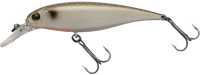
Right then, let's talk fishing. If you're keen to snag more fish, you've probably heard about Imakatsu lures. They've got a bit of a reputation, and for good reason. From what I've seen and heard, these lures are built with some serious thought behind them. We're going to have a look at what makes them tick, from their fancy crankbaits to their more subtle soft plastics. So, grab a cuppa, and let's dive into the world of Imakatsu lures.
Key Takeaways
-
The Imakatsu crankbait series, including models like the IK-50 and IK-180, offers specific features for different fishing situations, such as snag resistance and varied actions.
-
Japanese finesse fishing tactics have influenced Imakatsu's lure development, with models like the Hairy Hawg catering to these techniques.
-
Beyond crankbaits, Imakatsu produces other interesting lures such as wooden crawlers and realistic swimbaits.
-
Choosing the right Imakatsu lure involves considering their wide range of colours and ensuring proper care for longevity, along with safety precautions when handling them.
Exploring Imakatsu Lures: A Deep Dive
The Revolutionary Hairy Chunk
When Imakatsu dropped the Hairy Chunk, it really got people talking. They reckon the way they attach the natural hair is a game-changer for soft plastics. It's not just a bit of fluff; this lure has a unique look that's got anglers curious. Some reckon it's one of the best Japanese fishing lures out there, and it's easy to see why it catches the eye. It's a bit different, you know?
Japanese Finesse Tactics and Imakatsu Baits
Japanese anglers have been doing their own thing with finesse fishing for ages, and Imakatsu is right at the forefront of that. Guys over here in Australia are starting to pay attention to these techniques and the gear that comes with them. It’s like discovering a whole new way to fish. Think subtle movements, precise presentations – it’s a different ballgame compared to just chucking a big lure around. They've got some seriously clever designs.
Midwest Finesse Anglers' Perspective
Even finesse anglers, Imakatsu's gear is making waves. They've looked at things like the Hairy Chunk and thought, 'How can we make this work for us?' They're not afraid to tweak things, like trimming the tail or rigging it on a lighter jig. It shows how versatile these Imakatsu lures can be, adapting to different styles of fishing. It’s interesting to see how a lure designed in Japan can find a place in completely different fishing environments.
It's fascinating how a lure's design can spark so much discussion and adaptation across different fishing cultures. What one angler sees as a minor detail, another might find to be the key to a successful technique.
Imakatsu Crankbait Series: Precision Engineering
Imakatsu's crankbait range is something else, really. They've put a lot of thought into making these lures work well in all sorts of situations, especially over in Japan where the fishing can be pretty specific. It's not just about making a lure that dives; it's about how it moves, how it casts, and how it feels when you're reeling it in. They've got this 'fulcrum gap system' they talk about, which apparently helps with the action and how well you can cast them.
IK-50 Type C & Type R: Versatile Shallow Divers
The IK-50 series comes in a couple of flavours, Type C and Type R. The Type C has a coffin-shaped lip, which is brilliant for getting through snags like submerged branches or rocks without getting stuck. It's designed to run straight and bypass obstacles. On the other hand, the Type R uses a round lip and gives off this really wide, high-speed wobbling action. These two cover a lot of bases for shallow water fishing. Depending on what the fish are doing and what's in the water, you can pick the right one to get their attention.
IK-180: The Snagless Wonder
Now, the IK-180 is a bit of a legend. It's got this unique angled lip, called the 'Sorimachi Lip', which not only helps it keep a steady diving depth but also acts like a bit of a hook guard. This makes it great for working around structure like laydowns or rocky areas. It has a smooth, wide wobble that looks pretty natural. It's a good all-rounder for that middle depth range.
IK-250: Tailored for Japanese Fields
The IK-250 is built with Japanese fishing spots in mind. It's designed to be quiet, with no rattles, which is supposed to be better for pressured fish. It's got a good weight balance for casting and can get down to a decent depth. It's meant to be subtle, not spooking the fish while still getting down to where they might be holding.
INFRA SONIC Ver.: Enhanced Appeal
This is where things get interesting. Imakatsu offers an 'INFRA SONIC' version of some of their crankbaits, like the IK-180 and IK-250. The idea is that sometimes, a bit of sound can make a big difference, especially in bigger lakes or during peak season when fish might be a bit more active. But they also know that sometimes, no sound is better. So, you can choose between the standard, quiet versions or the INFRA SONIC ones, which have a rattle. It's about giving you options to match the conditions. The INFRA SONIC version has a larger rattle that makes a lower frequency sound, and you can even control the sound by how you retrieve it – stop and go can make it rattle, while a steady retrieve might quiet it down. It's a neat trick to try and get those finicky bites.
Mastering the Imakatsu IK-Series
The Imakatsu IK-Series is a line of crankbaits designed with a real focus on how they feel and perform in the water. They've put a lot of thought into making these lures work well for everyone, from beginners to seasoned pros. It's not just about getting them to dive; it's about the action, the cast, and how they retrieve.
IK-50 Type S: High-Pitch Shallow Roller
This little ripper is built for shallow water work. The IK-50 Type S has a super thin circuit board lip that gives it a really tight, high-pitch rolling action. It's great for casting right into those tight spots near the bank or around cover. The action is so good, it can really call in the bigger fish. It's a bit of a specialist, but when you need that specific shallow-water wobble, this is the one.
IKE-100: Shore Fishing Special
If you're mostly fishing from the bank, the IKE-100 is worth a look. It's basically a smaller version of the IK-180, tuned up for shore anglers. It'll get down to about a metre, which is perfect for most ponds and smaller lakes. It casts a good distance, and even when you retrieve it super slow, it keeps up a high-pitch wobble. Plus, it's designed to handle hitting rocks and logs without getting stuck too easily.
IK-400R: Deep Diving Tournament Weapon
Now, for when you need to get down deep, the IK-400R is your go-to. This one's a bit of a tournament favourite because it can reach depths of around 4 metres. It's got a tight wobbling action that's pretty stealthy, which is good for those pressured fish. What's neat is that it doesn't have any rattles, so it's less likely to spook wary bass. It's built for long casts and staying in that deep zone.
Here's a quick rundown of some IK-Series models:
|
Model |
Length (in) |
Weight (oz) |
Dive Depth (ft) |
Key Feature |
|---|---|---|---|---|
|
IK-50 Type S |
2.2 |
0.35 |
0-2.3 |
High-pitch roller |
|
IKE-100 |
1.9 |
0.28 |
1.6-3.3 |
Shore fishing |
|
IK-400R |
2.5 |
0.63 |
9.8-13.8 |
Deep diving, no rattle |
The IK-Series isn't just about the numbers; it's about the feel. Imakatsu has really tried to nail that balance between an attractive action and a retrieve that feels good to the angler. It makes a difference when you're out there for hours.
When you're looking at the IK-Series, you might also come across variations like the "INFRA SONIC" versions. These have a different sound profile, often with a larger internal rattle, which can be a game-changer in certain conditions, especially when fish aren't responding to silent lures. It's all about giving you options to match the mood of the fish on any given day. You'll also find lures like the Dilemma 60 and IS Wasp 55, which, while not strictly part of the main IK-Series numbering, share that same design philosophy of precision and effectiveness.
Innovative Soft Plastics from Imakatsu
Imakatsu hasn't just stuck to hard baits; they've really pushed the envelope with their soft plastics too. It’s not just about making a plastic worm that looks like a worm, they’re adding elements that make them behave and look more like real prey. Think about it, fish eat all sorts of things, and sometimes those things have a bit of movement or texture that standard plastics just can't replicate.
Dread Hog: A New Category
The Dread Hog is a bit of a game-changer. It’s not quite a creature bait, not quite a crawfish, it’s sort of its own thing. It’s designed to have a really natural, subtle action in the water, which is brilliant for those times when the fish are a bit shy. It’s got these appendages that flutter and move with the slightest current, making it look alive even when you’re barely moving it. This subtle realism is what sets it apart.
Hairy Hawg: Finesse Appeal
Now, the Hairy Hawg is where things get really interesting. Inspired by some clever Japanese angling techniques, this bait incorporates actual hair into the soft plastic. It’s a bit like the old-school pork rind baits but with modern materials. The hair adds a level of movement and a lifelike feel that’s hard to achieve otherwise. It’s particularly good for finesse fishing, where you need a bait that acts naturally and doesn't spook the fish. Rigging it on a jig head or a drop shot can be deadly.
Javallon Gill: Realistic Bluegill Imitation
For those targeting bass that love a good bluegill snack, the Javallon Gill is the go-to. Imakatsu has really nailed the look and action of a bluegill here. The material and design mean it sits in the water in a really natural, upright position, just like a real bluegill would. It doesn't just sink limply; it maintains that lifelike posture. This realism is key when you're trying to fool a wary predator. It’s a bait that looks the part and acts the part, making it a serious contender for your tackle box.
The idea behind these advanced soft plastics is to mimic natural prey with a level of detail that fools even the most experienced fish. It's about adding that extra bit of life and realism that standard baits often lack, giving anglers an edge.
Beyond Crankbaits: Other Imakatsu Creations
While Imakatsu is famous for its crankbaits, they've got a whole heap of other lures that are worth a look. It’s not all about the crank and wind, you know. Sometimes you need something a bit different to get those finicky fish biting.
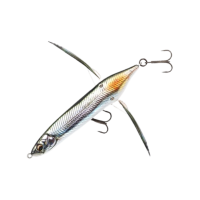
Aventa Crawler GT: Wooden Crawler Bait
This little beauty, the Aventa Crawler GT, is a wooden crawler bait that’s designed for super slow retrieves. It’s the kind of lure that makes you think about how you’re working it, really coaxing the fish out. It’s a bit of a different approach, but when it works, it really works. It’s all about that subtle action that mimics a struggling baitfish.
BassRoid Jr. TRIPLE DOUBLE: Swimbait Innovation
Now, this one is pretty interesting. The BassRoid Jr. TRIPLE DOUBLE is a jointed swimbait, and the idea behind it is pretty simple: big bass eat smaller bass. So, this lure looks like a real meal for a big predator. It’s got realistic colours and a natural swimming action that’s hard for a hungry fish to ignore. It’s a bit of a game-changer when you’re targeting those trophy fish.
RUNVOLT 120V: New Crankbait Series
Okay, so I know I said we’re moving beyond crankbaits, but this new series, the RUNVOLT, is worth a mention. The 120V model is a compact lure, weighing in at 8g and measuring 48mm. It’s designed to reach depths of about 1.2 metres. It’s another example of Imakatsu’s attention to detail, even within their crankbait range. You can find more details on their crankbait project if you're keen.
Innovative Soft Plastics from Imakatsu
Imakatsu also puts out some pretty neat soft plastics. You've got the Dread Hog, which they reckon is a whole new category of lure. Then there's the Hairy Hawg, which looks a bit bulky at first glance but apparently works wonders for finesse fishing. And don't forget the Javallon Gill, a super realistic imitation of a bluegill. These soft plastics are great for when the fish are being a bit shy or when you need to present something a bit more subtle. The ZMan 2.5" GrubZ, for example, is a popular choice for bream tournaments here in Australia, showing how effective smaller, realistic soft plastics can be.
When you're faced with tough conditions or a pressured bite, having a variety of lure types is key. Imakatsu's range beyond their well-known crankbaits provides options for those moments when a standard approach just isn't cutting it. Thinking outside the box with these lures can often lead to unexpected success.
Choosing Your Imakatsu Lures: Colour and Care
Picking the right Imakatsu lure colour can make a big difference, and looking after your gear means it'll last longer. It’s not just about grabbing any old lure; a bit of thought goes a long way.
Extensive Colour Palettes
Imakatsu really goes all out with their colours, and for good reason. Different conditions call for different shades. Think about the water clarity – if it's murky, brighter, more contrasting colours like chartreuse or fire tiger patterns often work best. They stand out. In clear water, more natural, subtle colours that mimic baitfish or crawfish, like various shades of Ayu, Gill, or Olive, tend to be more effective. It’s about matching what the fish are seeing naturally.
Here's a quick look at some common colour types and when you might use them:
-
Natural Imitations: Colours like 'Arkansas Shinner', 'Olive AYU', and 'Gill' are great for clear water when you want to mimic local baitfish or crustaceans. They're subtle and realistic.
-
High-Visibility Colours: Think 'Blue Back Chart', 'Super Lemon', or 'Lightning Blue'. These are your go-to for stained or dirty water, or low-light conditions. They create a strong silhouette that predators can easily spot.
-
Crawfish Patterns: Colours like 'Brown Back Chart Crayfish' or 'Nihon Zarigani' are fantastic for targeting fish that feed on crawfish, especially in rocky or weedy areas.
-
Flashy Patterns: Colours with 'Flash' in the name, like 'Flash Back Gold' or 'Tennessee Flash', add extra sparkle and vibration, which can be a real attractor when fish are a bit hesitant.
The key is to experiment and observe what works best in your local waters.
Proper Storage for Longevity
Looking after your Imakatsu lures means they'll keep performing their best. Soft plastics, especially, need a bit of care. Don't store your soft plastics with other types of lures, particularly hard plastics or metal components, as they can leach chemicals and deform your soft baits. Keep them in their original packaging or in dedicated soft plastic binders. For hard baits like crankbaits, a tackle box with individual compartments is ideal. This prevents hooks from tangling and damaging the finishes.
Safety Precautions
These lures are designed to catch fish, and that means they have sharp hooks. Always be mindful of where the hooks are pointing, especially when rigging or unrigging. Keep your lures out of reach of children, as they are not toys. If a lure gets snagged on something underwater, don't just yank your rod hard. Try to free it gently or consider cutting your line to avoid damaging your rod or reel. And, of course, always use them for their intended purpose – fishing!
Picking the right Imakatsu lure colours is key to a successful fishing trip. Think about the water clarity and the type of fish you're after. Don't forget to look after your lures too; a little care goes a long way in keeping them in top shape for your next outing. Ready to find the perfect lure? Check out our full range at tackleaddiction.com.au!
Wrapping It Up
So, there you have it. Imakatsu lures, they're pretty decent, aren't they? We've looked at a few different types, from the ones with hair and feathers that some folks reckon are a bit fancy, to the crankbaits that can get down deep or wiggle their way through snags. It seems like they've got something for most situations, whether you're fishing from the bank or out in a boat. If you're keen to try something new and maybe pull in a few more fish, giving these lures a go could be a good shout. Just remember to pick the right one for where you're fishing and how you're fishing, and you might just surprise yourself with what you catch.
Frequently Asked Questions
What makes the Imakatsu Hairy Chunk special?
The Hairy Chunk is pretty neat because it uses real hair and feathers stuck onto a soft plastic lure. Some folks reckon this makes it act more naturally in the water, like real bait. It’s a bit like the old Fuzz-E-Grub, but with a modern twist.
Are Imakatsu crankbaits good for getting snagged?
Some Imakatsu crankbaits, like the IK-50 Type C with its 'Coffin Lip', are designed to be really good at avoiding snags. This means they can handle fishing around logs, rocks, and other tricky spots without getting stuck as often.
What's the difference between the IK-50 Type C and Type R?
The Type C has a 'Coffin Lip' which helps it get through snags, and it wobbles wide. The Type R has a rounder lip and does a super high-pitched, fast wobble. You pick the one that suits where you're fishing and what the fish are biting.
Can you tell me about the Imakatsu soft plastics like the Dread Hog?
Imakatsu makes some unique soft plastics. The Dread Hog is seen as a whole new type of lure, looking a bit like a small creature. They also have the Hairy Hawg, which looks a bit bulky but works well for finesse fishing, and the Javallon Gill, which is made to look just like a bluegill and stands up in the water.
What are the 'Infra Sonic' versions of Imakatsu lures?
The 'Infra Sonic' versions have a special sound feature, often a low-frequency rattle. This can be good when regular lures aren't getting a bite, especially in busy fishing spots or when fish are a bit shy. It adds an extra bit of attraction without scaring them off.
How should I look after my Imakatsu lures?
To keep your Imakatsu lures in top shape, store them carefully. Don't keep soft plastics with other types of soft plastics, as they can melt or get damaged. Also, be careful with the sharp hooks and keep them away from little kids. If a lure isn't swimming straight, you might need to gently adjust its eye position.