

Using a cranka crab 50mm heavy in deeper water is a proven strategy for targeting big bream when environmental factors demand more control.
Bream anglers have found great success with this incredibly realistic lure. It mimics an active crab, and fish react strongly to its unique design.
Learning how to use this lure effectively is not complicated. We will break down how to maximize its potential, from selection to retrieval.
Key Takeaways
-
The Cranka Crab works by imitating the specific movement of real prey. It triggers hunting instincts effectively.
-
Weight selection is vital. Use the right model to maintain contact with the seabed when current increases.
-
Vary your movement. Try slow hops, dragging, or pausing. Different moods of fish require different lure actions.
-
Positioning matters. Cast near hiding spots like rocks and pylons. Structure is where bream feel most secure.
-
Use light spinning gear and fluorocarbon leaders. This helps ensure the lure is less visible to fish.
Understanding The Cranka Crab's Appeal
Bream go absolutely bonkers for a Cranka Crab. These lures look and act like the real deal – a crab scuttling along the bottom.
Bream are opportunistic feeders. Crabs are a regular part of their diet. When this lure hits the water, it moves like an easy meal.
Floating claws make it look like an injured or defensive crab. This realistic action ensures that bream remain keyed in.
Selecting Your Cranka Crab 50mm Heavy in Deeper Water
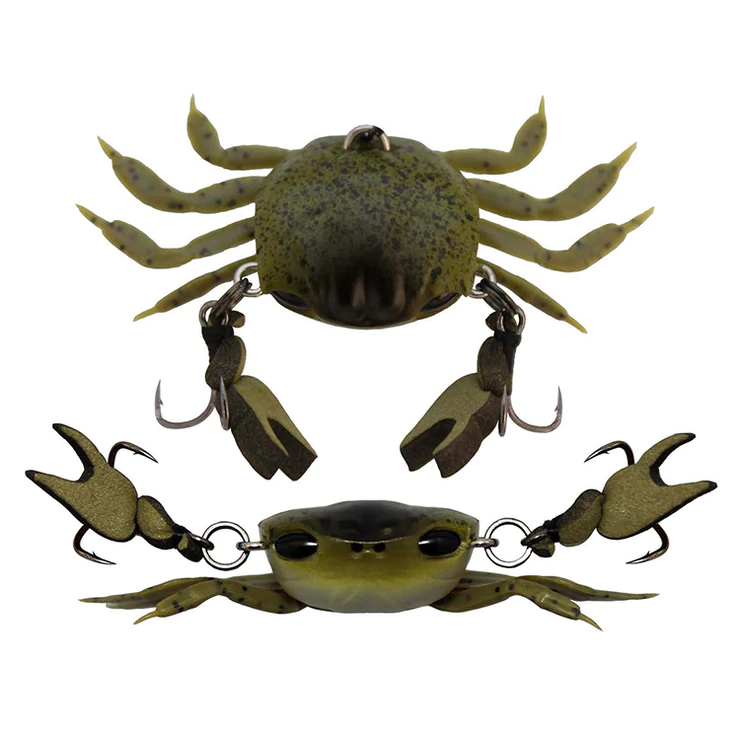
Picking the right weight, color, and size can make a huge difference. You must adapt gear to your specific location.
Cranka Crabs come in various weights. Standard models are 3.9 grams, while the 5.9 gram heavy model suits specific conditions.
Wind and depth play a huge part. Heavy models help reach the bottom quickly in deep zones.
Lighter models permit a natural drift. In shallow areas, use a cranka crab 50mm light in low current flow water for a subtle presentation.
Natural colors are a safe bet. Browns and greens match local crabs that bream regularly consume.
Mastering Cranka Crab Retrieval Techniques
Getting the retrieve right is key to success. Keep the lure close to the bottom. Avoid fast, erratic retrieves.
Think slow and deliberate. The goal is to appear as an easy meal. This lure relies on subtle movements.
Cast out and let the lure settle. Give the rod tip a few gentle lifts. Foam claws flutter attractively underwater.
Sometimes bream want an easy meal on the move. A slow drag along the bottom can be incredibly effective.
When fish are shut down, dead sticking is very effective. Cast to your target area and let the lure sit still.
Let it rest for 20 seconds. The natural buoyancy of the claws creates a subtle posture. This tempts cautious fish.
Bream may nip the claws first. Understand that bites do not come instantly in most cases. You must be patient during this process.
If you feel a light tap, do not strike immediately. Instead, reel up the slack. This is similar to fishing a DUO Spearhead Ryuki for trout.
Effective Presentation Strategies
Where you put the lure is as important as how you move it. Bream hang around structure for food.
Get your lure as close to cover as possible. Casts near structure often pay off with bigger fish.
Bridge pylons are classic hangouts. Deep pylons often require a heavy model to reach the base accurately.
Cast upstream and let the current bring the lure back. This creates a natural drift. Precision is vital.
Rock walls offer many hiding spots. Bounce your lure along the bottom. The Bait Breath Rockin Crab is also a great choice.
Optimizing Your Tackle
You need sensitivity and backbone. A medium-light spinning rod in the 7' range is an ideal choice for this fishing.
Braided line is the standard. It has no stretch. This provides a direct feel and quicker hooksets.
Using a fluorocarbon leader is non-negotiable. It is nearly invisible underwater. Scent is a must have Dizzy Scent UV Crab has been designed specifically for cranka crab and all crab lures to enhance results.
Fluorocarbon is tough. It resists abrasion from rocks. A 3-foot leader tied with an FG knot is a great start.
Seasonal Adjustments
Bream habits change throughout the year. Adapt your strategy to stay successful on the water.
In summer, target shallows and weed beds. Use light model tactics for these active fish.
When fishing schools in winter, the heavy model helps you reach target depths quickly.
Fishing this lure takes practice. Keep things slow and pay attention to your casting location.
Bream love these imitations. With patience, you will see results. Check out this rod/reel combo available for $60.
Frequently Asked Questions
Why are Cranka Crabs so good for catching bream?
Cranka Crabs are excellent because they mimic the appearance and movement of real crabs. Bream naturally hunt these crustaceans.
How do I choose the right weight for my lure?
Select weight based on depth and current. Use the cranka crab 50mm heavy in deeper water to maintain bottom contact.
What's the best way to move the lure?
Move the lure slowly. Use small pops to flutter the claws. This jerky movement tricks fish into believing it is real.
Where should I cast my lure?
Target pylons, docks, and rock walls. Bream hide in these spots. Accurate casting near structure is key.
What kind of fishing rod should I use?
A light spinning rod around 7 feet is best. Pair it with 6lb braid and a fluorocarbon leader. When you fish the cranka crab 50mm heavy in deeper water, specialized tackle ensures better lure control.
Does the time of year affect how I should fish?
Yes. Slow down in winter with long pauses. In summer, you can be more active with retrieval speed. Success requires using your cranka crab 50mm heavy in deeper water correctly for each season.